Choosing Big Jelly for Modern Website Headers
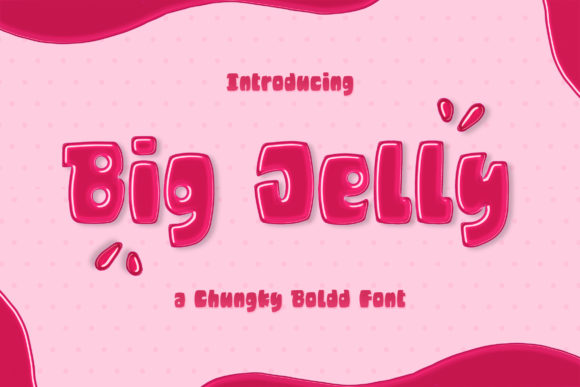
I was redesigning the hero section for a client’s online coaching platform, and the standard sans-serif headline felt too quiet. I needed a font with personality that could instantly convey a friendly, approachable brand. That’s when I tested Big Jelly. Placing that chunky, cool display font into the layout was a moment of clarity. Its bold, rounded letters filled the space with energy without shouting, creating a visual anchor that felt both playful and professional. This wasn't just about picking a typeface; it was about choosing a tool to build a more polished and engaging online experience.
Big Jelly for Landing Pages and Hero Headers
In web design, the hero section is your first and most important impression. Using Big Jelly as a display font for this critical area transforms a generic welcome message into a memorable brand statement. Its chunky letterforms command attention but, because of their rounded edges and generous spacing, they do so with a sense of warmth. I tested it on a product landing page for a creative software tool, setting “Unlock Your Creativity” in Big Jelly. The phrase immediately felt more inviting and tangible, enhancing the page’s goal of converting curiosity into action. For any website needing to establish a strong visual hierarchy—be it a boutique online store, a course sales page, or a campaign landing page—this font acts as a powerful, reliable starting point.
Optimizing Big Jelly Font Readability on Mobile
A crucial step in any modern web project is previewing your choices on mobile. With Big Jelly, readability on smaller screens is excellent due to its inherent clarity and open shapes. I checked it in a responsive layout for a children’s educational blog, where the title became a charming, easy-to-read banner even at 320px wide. The font’s weight ensures it remains legible over image backgrounds, whether light or dark, a common requirement for mobile-first designs. This makes Big Jelly a practical choice for digital creators who prioritize a seamless user experience across all devices.
Big Jelly Font Pairings for Web Design
A display font like Big Jelly shines when supported by a clean, neutral body font. In the coaching website project, I paired it with a simple, geometric sans-serif for all paragraph text and interface elements. This combination created a perfect balance: the Big Jelly headings injected personality and focus, while the sans-serif body copy ensured comfortable reading and scanning behavior. For a more editorial digital brand, such as a book publisher’s site, pairing Big Jelly with a classic serif font can yield a sophisticated yet contemporary typographic system. The key is to let Big Jelly handle the moments of emphasis—hero titles, section headings, call-to-action buttons—while a complementary font manages the steady flow of information.
Using Big Jelly for Brand Names and Logos
One of the most direct applications mentioned for this font is for brand names. In a recent digital brand kit creation for a startup, I used Big Jelly to render the company’s name in the website header and across social media graphics. The result was a cohesive, instantly recognizable logo text that carried a cool and confident tone. Its distinctive style helps a brand stand out in crowded online spaces like marketplace headers or email campaign banners. Before committing, always check the font’s included styles and licensing to ensure it covers all your intended commercial uses, from client websites to digital product packaging.
Big Jelly in Portfolio Sites and Digital Ads
For creative professionals, a portfolio homepage is a personal brand statement. Integrating Big Jelly into such a site can frame your work with a dynamic and modern typography. I applied it to the section titles in a UI designer’s portfolio, labeling “Selected Projects” and “Design Process.” These headings became engaging landmarks that guided the visitor’s journey without overwhelming the showcased visuals. Similarly, for digital ads or blog graphics, Big Jelly’s bold presence ensures short quotes or promotional phrases capture attention swiftly, aiding in user engagement and click-through rates on fast-loading web content.
Throughout these real layout decisions, the character of Big Jelly as a chunky lettered and cool display font consistently proved its value. It brings a specific mood—approachable, bold, and slightly whimsical—that aligns perfectly with projects aimed at human connection, creativity, or youthful energy. From cartoon-related designs to serious brand names, its versatility within the display category is rooted in its strong, clear form. When you weave Big Jelly into your web typography, you're not just adding a font; you're investing in a visual voice that can make your online presence feel more cohesive, trustworthy, and intentionally designed.
Technical Considerations for Big Jelly Webfonts
Before finalizing any website design, practical checks are essential. Confirm that the Big Jelly font family includes webfont formats (like WOFF2) for optimal performance and loading speed. Verify its multilingual support if your project targets a global audience. Also, explore any alternates or special characters that might enhance unique titles or brand names. These steps ensure that the font will perform reliably across all modern browsers and devices, maintaining the polished brand experience you’ve built from the first headline down to the smallest button label.
Big Jelly for Book Covers and Poster Designs Online
While my primary focus is web design, the use cases for Big Jelly extend beautifully into digital representations of physical products. For an author’s website showcasing their latest book cover, using Big Jelly for the title in online promotional posters creates a strong, consistent brand thread from the physical artifact to the digital storefront. The font’s chunky, cool aesthetic translates perfectly into high-impact graphics for online posters, event banners, or digital magazine covers, ensuring your visual identity remains powerful across all mediums.
In the end, selecting a font like Big Jelly is a strategic design decision. It influences how users perceive your brand’s professionalism, how easily they navigate your content, and how strongly they remember your message. By applying it thoughtfully to hero sections, headings, and key branding elements, you leverage its display font characteristics to build a more engaging, readable, and visually harmonious website. Whether your project is a coaching platform, an online store, or a personal blog, this font offers a tool to elevate your digital presence with confidence and charm.